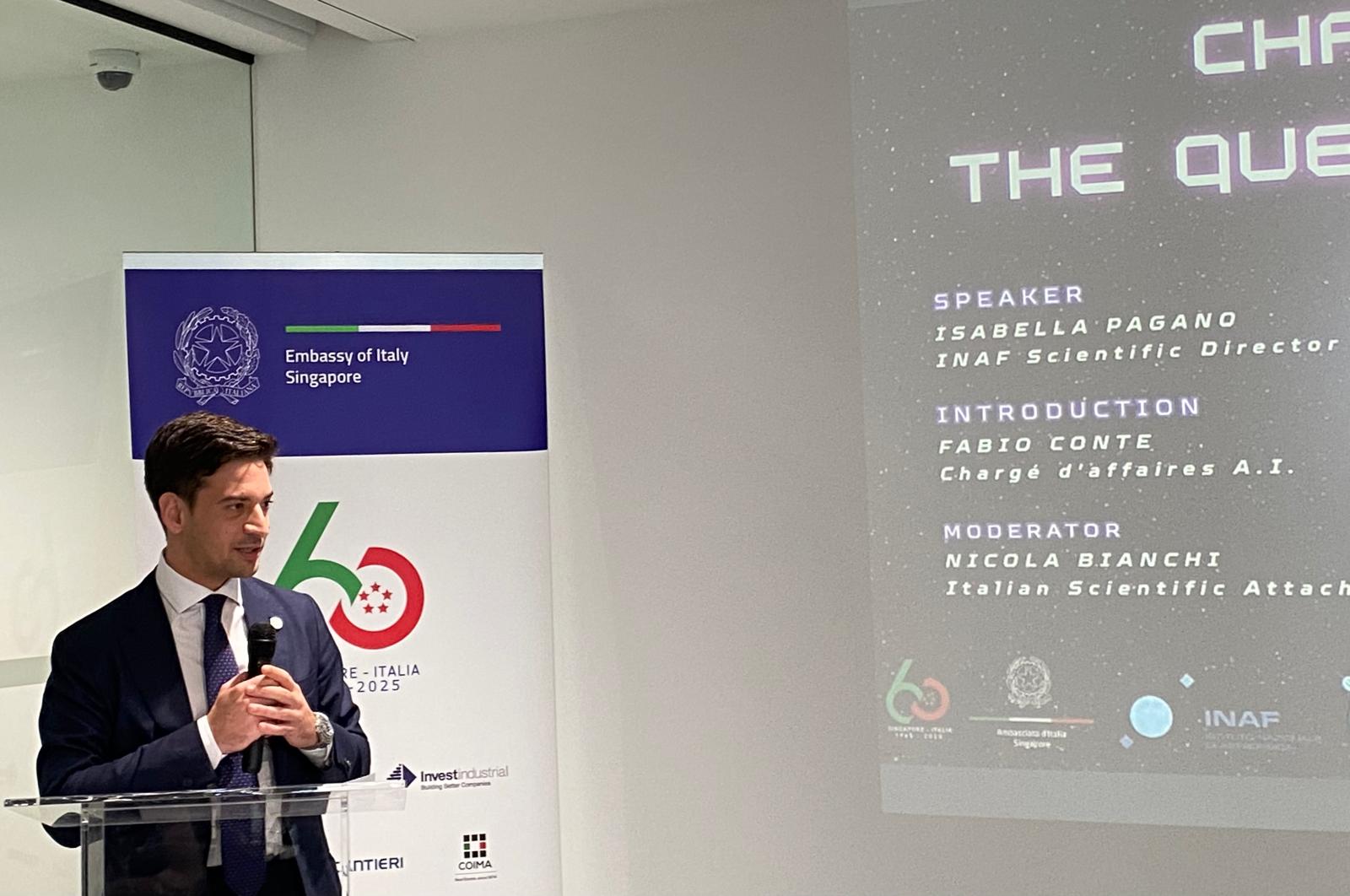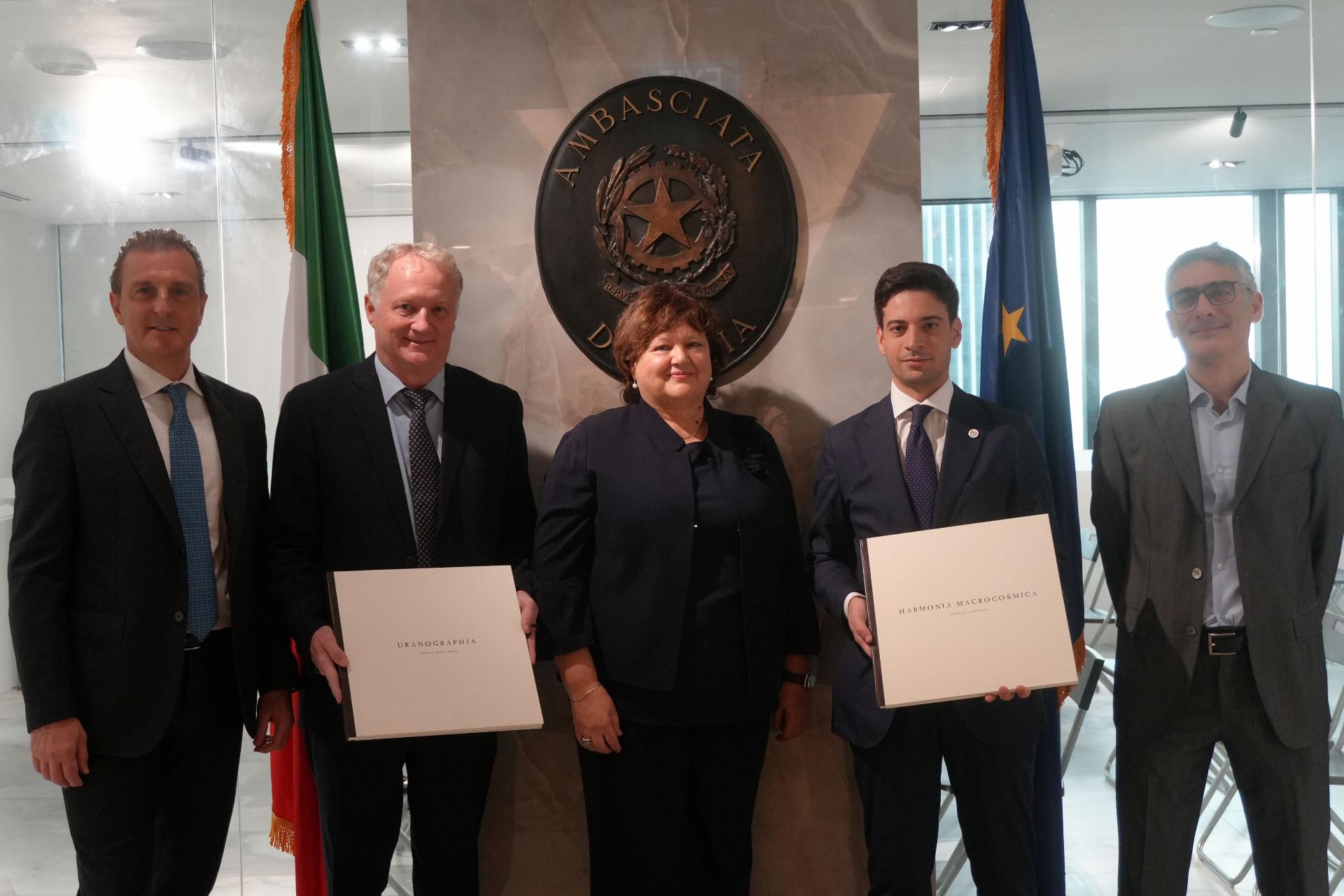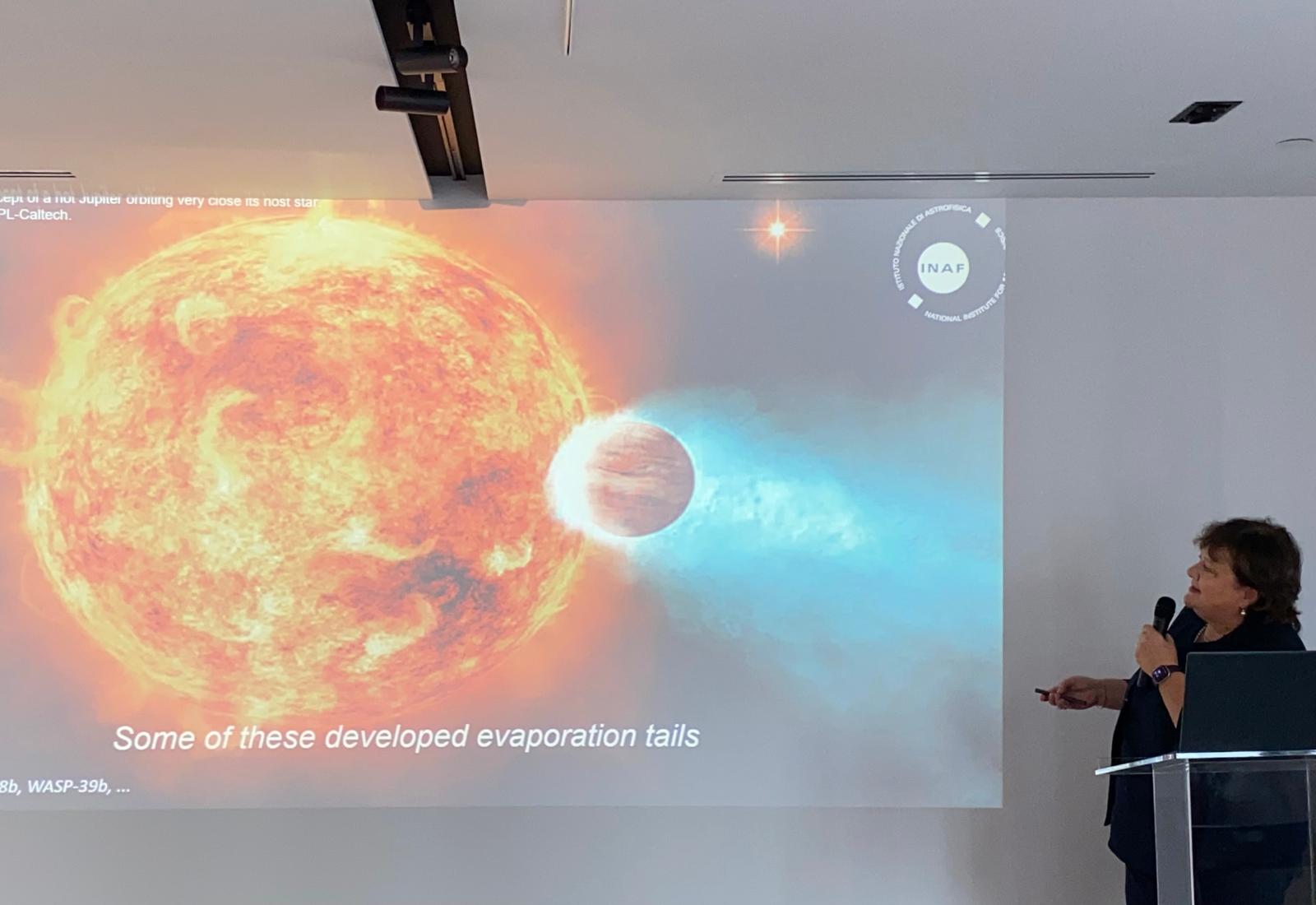
On the occasion of the Italian National Space Day (GNS25), which is celebrated every year in December to commemorate December 15, 1964, when Italy entered the space age, launching its first satellite, San Marco 1, thus becoming the third country in the world – after the United States and the former Soviet Union – to “overcome the atmosphere” by gaining autonomous access to space, the Ambasciata d’Italia a Singapore e Brunei Darussalam organized an informative seminar entitled “Chasing Alien Life: the Quest for Exoplanet“.
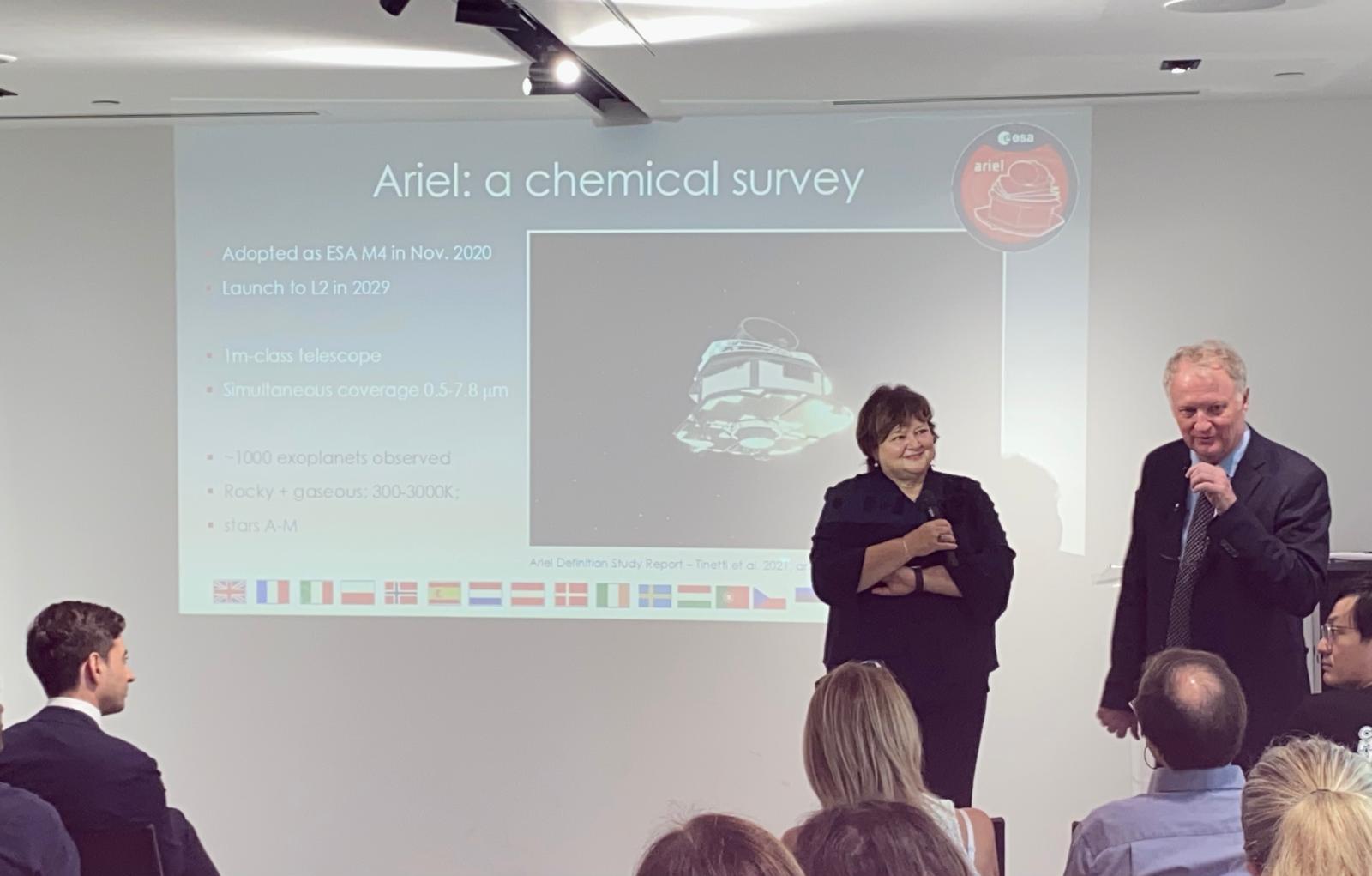
The seminar, moderated by Scientific Attaché Nicola Bianchi, was held by Isabella Pagano, Scientific Director of the INAF – Istituto Nazionale di Astrofisica and co-Principal Investigator of the European Space Agency – ESA mission PLATO which is scheduled to launch in December 2026 using an Ariane 6 rocket.
INAF, the National Institute for Astrophysics, is one of the main players in Space research in Italy, together with the Agenzia Spaziale Italiana (ASI) and the Istituto Nazionale di Fisica Nucleare (INFN).
In his welcome remarks, Chargè d’Affairs A.I. Fabio Conte highlighted Italy’s long-standing leadership in space exploration and the strength of its research and industrial ecosystem. He emphasized Italy’s commitment to international cooperation through INAF and ESA, welcoming the INAF delegation to Singapore and expressing confidence in developing new partnerships with local universities.
In the seminar Dr Pagano showed how over 5,000 planets have been discovered so far, orbiting stars beyond our Sun, some rocky, some gaseous, and a few potentially habitable. The journey to find these alien worlds began just 30 years ago, driven by the combined power of telescopes on the ground. Highlighting the increasing role of space telescope and space missions, from spotting Earth-like worlds to measuring planetary atmospheres, she showed that we may be now closer than ever to answering a timeless question: is there life out there?